
Blog
Preschool Learning: How Children Learn Best Through Play
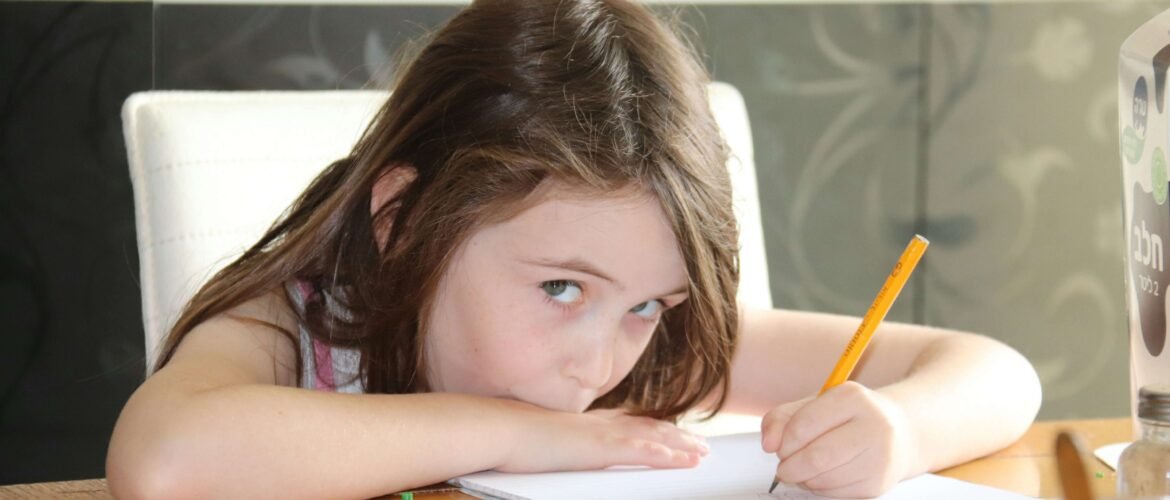
Young children do not learn best by sitting still, memorising, or copying pages for long hours. In the preschool years, children learn by touching, moving, listening, speaking, pretending, asking questions, making mistakes, and trying again. Whether a child is in playschool, nursery, LKG, UKG, an Anganwadi setting, or learning at home, the most effective preschool learning methods are simple, active, and connected to everyday life.
For Indian parents and teachers, this is especially important because every home and classroom is different. Some children grow up speaking one language at home and another at school. Some live in joint families, some in apartments, and some have limited access to expensive toys. The good news is that preschool learning does not need costly materials. A child can learn colours with vegetables, counting with bangles, language through stories, and social skills while playing with cousins or classmates.
This guide explains how preschool children learn, why play-based learning matters, and how parents and teachers can support learning through play in practical, age-appropriate ways.
How preschool children learn naturally
Preschool children learn through experience. They do not separate “study time” and “life” the way adults do. For them, everything can become learning: pouring water, sorting socks, singing rhymes, building blocks, listening to a story, or pretending to run a shop.
At this age, children learn best when activities are:
- Concrete: They can see, touch, hear, smell, or move something.
- Short and engaging: Their attention span is still developing.
- Repeated often: Repetition helps them feel confident.
- Connected to real life: Familiar objects make learning meaningful.
- Emotionally safe: Children learn more when they feel secure, not scared.
For example, a worksheet may show the number “3,” but a child understands it better when they count three bananas, three spoons, or three steps. This is why the best preschool learning methods combine play, conversation, movement, songs, stories, and hands-on activities.
Play-based learning: why it works so well
Play-based learning means children learn important skills through guided and free play. It does not mean children are “only playing” or not learning. In fact, play is one of the most powerful ways young children build thinking, language, social, emotional, and physical skills.
When children play with building blocks, they explore balance, shape, size, and problem-solving. When they pretend to cook, teach, travel by bus, or visit a doctor, they practise language, imagination, memory, and social behaviour. When they play outdoor games, they develop coordination, confidence, and teamwork.
What children learn through play
Learning through play supports many skills at the same time:
- Counting while sharing toys
- New words while telling stories
- Patience while waiting for a turn
- Creativity while drawing or pretending
- Fine motor control while threading beads
- Problem-solving while completing a puzzle
- Emotional expression while role-playing family or school scenes
In India, play-based learning can easily include local culture and daily routines. Children can pretend to buy vegetables from a market, make rangoli patterns with safe materials, sort dals, match bangles by colour, sing regional rhymes, or listen to folk stories from grandparents.
Key developmental domains in preschool learning
Preschool learning is not only about ABCs and 123s. A well-rounded preschool experience supports four major developmental domains: cognitive, language, social-emotional, and motor development.
Cognitive development: thinking and problem-solving
Cognitive development includes memory, attention, reasoning, sorting, counting, matching, comparing, and understanding cause and effect.
Helpful activities include:
- Sorting leaves, buttons, vegetables, or blocks by colour or size
- Matching socks or picture cards
- Completing simple puzzles
- Counting stairs while climbing
- Asking “what will happen if…” questions
- Building towers and noticing why they fall
A child who stacks cups, arranges toy cars, or groups crayons is building early maths and logic skills.
Language development: listening, speaking, and early literacy
Language grows through conversation, stories, songs, and everyday talk. Children need to hear words often and use them in meaningful situations.
Support language by:
- Reading picture books daily, even for 10 minutes
- Naming objects during cooking, bathing, or travel
- Asking open-ended questions like “What do you think happened?”
- Singing rhymes in English, Hindi, or the home language
- Encouraging children to describe drawings or toys
- Telling stories from family life, festivals, or nature
For many Indian children, multilingual exposure is normal. Speaking the home language is not a weakness. A strong foundation in the mother tongue can support confidence, expression, and later learning in other languages.
Social-emotional development: confidence and relationships
Social-emotional skills help children understand feelings, share, cooperate, manage frustration, and build friendships. These skills develop slowly and need patient guidance.
Children learn social-emotional skills when they:
- Take turns during games
- Help clean up toys
- Talk about feelings
- Learn to say “please,” “thank you,” and “sorry” meaningfully
- Resolve small conflicts with adult support
- Feel accepted even when they make mistakes
A child who cries on the first day of preschool or refuses to share is not “bad.” They are still learning emotional regulation. Calm adults help children feel safe enough to grow.
Motor development: movement and coordination
Motor development includes gross motor skills, such as running and jumping, and fine motor skills, such as holding crayons, tearing paper, or using a spoon.
Gross motor activities include:
- Hopping, balancing, crawling, dancing, and running
- Throwing and catching soft balls
- Simple yoga poses for children
- Outdoor free play in safe spaces
Fine motor activities include:
- Clay modelling
- Scribbling and colouring
- Tearing and pasting paper
- Threading large beads
- Pouring water from one cup to another
- Picking grains with fingers under supervision
Strong motor skills support later writing, self-care, confidence, and independence.
Practical at-home activities for Indian families
Parents often ask, “How can I teach my preschool child at home?” The answer is: use your daily routine. You do not need to create a formal classroom at home.
1. Learning in the kitchen
The kitchen is full of learning opportunities. Children can name vegetables, compare sizes, count rotis, sort spoons, smell spices, and learn words like hot, cold, soft, hard, full, and empty.
Try these simple ideas:
- Count tomatoes while putting them in a bowl.
- Sort dals by colour with supervision.
- Ask the child to find a big spoon and a small spoon.
- Let them help wash safe fruits or vegetables.
- Talk about taste: sweet, salty, sour, spicy, crunchy.
2. Story time every day
Daily storytelling builds imagination, vocabulary, listening, and emotional understanding. You can use picture books, family stories, Panchatantra-style tales, folk stories, or made-up stories about your child’s toys.
Make story time interactive by asking:
- “What do you see in this picture?”
- “What will happen next?”
- “How is the character feeling?”
- “Have you seen this animal or object before?”
3. Learning through household routines
Daily chores can become learning through play:
- Pairing socks teaches matching.
- Folding small towels builds motor skills.
- Watering plants teaches care and nature awareness.
- Arranging toys teaches sorting and responsibility.
- Setting plates teaches counting and one-to-one matching.
4. Music, rhymes, and movement
Songs and rhymes help children remember words, sounds, rhythm, and actions. Use a mix of local language rhymes, English rhymes, festival songs, action songs, and counting songs.
Add movement:
- Clap to the beat.
- March while counting.
- Jump when a certain word appears.
- Dance freely to music.
- Act out animals, vehicles, or weather.
5. Low-cost sensory play
Sensory play helps children explore textures, sounds, colours, and movement. Keep it safe and supervised.
Ideas include:
- Playing with dough or clay
- Pouring water between cups
- Touching smooth stones, leaves, cotton, or fabric
- Making patterns with flowers or large seeds
- Drawing with fingers in sand or on a tray of flour
Avoid small objects for very young children who may put things in their mouth.
Classroom strategies for preschool teachers
A good preschool classroom is warm, active, organised, and flexible. Children should not be expected to sit silently for long periods. Instead, teachers can create learning corners and routines that support exploration.
Use activity corners
Classroom corners make learning more independent and engaging. Useful corners include:
- Reading corner with picture books
- Building corner with blocks
- Pretend play corner with safe household objects
- Art corner with crayons, paper, clay, and collage materials
- Nature corner with leaves, shells, stones, or plants
- Maths corner with sorting and counting materials
Balance free play and guided play
Free play allows children to choose and explore. Guided play allows teachers to gently introduce concepts. For example, during block play, a teacher may ask, “Which tower is taller?” or “How many blocks did you use?” This keeps learning natural without turning play into pressure.
Use local context
Indian classrooms can include familiar themes such as family, seasons, fruits, vegetables, animals, transport, festivals, markets, helpers, and neighbourhood places. Children learn faster when examples are familiar.
Keep instructions short
Preschool children need simple instructions. Instead of saying, “Please organise all the classroom materials properly,” say, “Put the red blocks in this basket.” Demonstrate the action if needed.
Observe more, lecture less
Observation helps teachers understand each child’s interests and development. Some children speak confidently but need help with motor skills. Some are quiet but understand well. Some need more time to settle. Good teaching begins with noticing.
Age-wise tips for preschool learning methods
Every child develops at their own pace, but age-wise guidance can help adults choose suitable activities.
For 2–3 years
At this age, children learn through movement, imitation, and sensory exploration. Keep activities short, safe, and repetitive.
Focus on:
- Naming body parts, animals, fruits, and family members
- Simple action songs
- Stacking blocks or cups
- Scribbling with thick crayons
- Matching simple objects
- Pretend play with dolls, utensils, or toy vehicles
- Toilet training and self-help routines with patience
Avoid expecting neat writing, long sitting, or perfect sharing. Two-year-olds are still learning independence and emotional control.
For 3–4 years
Children become more curious, verbal, and imaginative. They enjoy stories, pretend play, sorting, counting, and group activities.
Focus on:
- Picture talk and storytelling
- Counting real objects up to small numbers
- Sorting by colour, size, or shape
- Simple puzzles
- Clay play and tearing-pasting activities
- Learning to wait for turns
- Naming feelings such as happy, sad, angry, and scared
This is a good stage to encourage conversation, not just correct answers.
For 4–5 years
Children are usually ready for more structured activities, but play should still remain central. They can follow longer instructions, recognise patterns, tell stories, and develop early literacy and numeracy skills.
Focus on:
- Recognising letters and sounds through games
- Counting, comparing, and simple number play
- Drawing with more detail
- Story sequencing: beginning, middle, and end
- Role play with rules, such as shopkeeper and customer
- Group projects, like making a class garden or festival display
- Pre-writing activities such as tracing lines, shapes, and patterns
Avoid rushing into heavy homework. Readiness matters more than speed.
Role of parents and teachers
Parents and teachers are partners in preschool learning. Children feel more confident when home and school work together.
What parents can do
Parents can support learning by:
- Talking to the child every day
- Reading or telling stories regularly
- Giving time for free play
- Limiting passive screen time
- Encouraging independence in small tasks
- Praising effort, not only results
- Staying calm when the child makes mistakes
Instead of asking only, “What did you learn today?” ask, “What did you play today?” or “Who did you talk to?” These questions often reveal real learning.
What teachers can do
Teachers can support children by:
- Creating a safe and welcoming classroom
- Using play-based learning daily
- Respecting each child’s pace
- Communicating with parents clearly
- Including songs, stories, art, outdoor play, and conversation
- Avoiding comparison between children
- Watching for developmental concerns and guiding families gently
A good teacher does not simply complete a syllabus. A good teacher builds curiosity, confidence, habits, and joy in learning.
Common mistakes to avoid
Many adults want the best for children but may unknowingly create pressure. Here are some common mistakes to avoid.
1. Forcing early writing
Before writing letters, children need finger strength, hand control, shoulder stability, and interest. Clay play, colouring, tearing paper, and threading are useful pre-writing activities.
2. Comparing children
Statements like “Your cousin can read already” can hurt confidence. Children develop at different speeds. Compare a child with their own progress, not with others.
3. Using screens as the main teacher
Some educational videos may be useful in moderation, but young children learn best through real interaction. Talking, playing, moving, and touching real objects are far more powerful.
4. Turning every play activity into a test
If adults constantly ask, “What colour is this? What number is this? Tell me now,” play becomes stressful. Instead, model language naturally: “You picked the yellow block. Let’s put it on the tall tower.”
5. Ignoring emotional readiness
A child who feels tired, hungry, scared, or overwhelmed cannot learn well. Emotional safety comes before academic learning.
6. Expecting long sitting time
Preschool children need movement. Short activities with breaks work better than long lessons.
Best practices for learning through play
To make learning through play effective, keep these principles in mind:
- Follow the child’s interest whenever possible.
- Use everyday objects before buying special toys.
- Repeat activities in slightly different ways.
- Talk during play, but do not dominate it.
- Allow mistakes and experimentation.
- Keep materials safe, clean, and age-appropriate.
- Include outdoor play whenever possible.
- Celebrate curiosity more than correct answers.
The goal is not to make preschool children study like older children. The goal is to prepare them for lifelong learning by building confidence, language, thinking skills, coordination, and social understanding.
Ready to help your child learn faster and feel more confident? Explore Foxbrain courses for ages 5–15—Abacus, Personality Development, Brain Gym, AI & Coding, and Phonics—and pick the right program for your child today
Short FAQ
What is the best way preschool children learn things?
Preschool children learn best through active experiences such as play, stories, songs, movement, conversation, pretend play, and hands-on activities. Play-based learning is one of the most effective approaches because it supports many skills at the same time.
Is learning through play enough for preschool?
Yes, when it is planned well. Learning through play can build early maths, language, problem-solving, motor skills, creativity, and social behaviour. Young children do not need heavy academic pressure to learn meaningfully.
How can I teach my child at home without worksheets?
Use daily routines. Count fruits, sort clothes, read stories, sing rhymes, water plants, draw, build with blocks, and talk about what you are doing. These simple activities are powerful preschool learning methods.
Should preschool children start writing early?
Children should first develop hand strength and coordination through activities like clay play, colouring, tearing, pasting, pouring, and threading. Formal writing should be introduced gradually when the child is ready.
Which language should I use while teaching my preschool child?
Use the language your child understands best, especially during early learning. You can also introduce English or Hindi through songs, stories, and simple daily words. A strong home-language foundation supports confidence and communication.
How much time should a preschool child study every day?
Instead of long study sessions, use short, playful learning moments throughout the day. Ten to fifteen minutes of focused activity, repeated in different ways, is often more useful than forcing a young child to sit for a long time.
Preschool learning is most successful when it feels joyful, safe, and connected to real life. With the right mix of play-based learning, caring adults, age-appropriate activities, and everyday conversations, children build the foundation they need for school and beyond.