
Blog
How to teach kids coding?
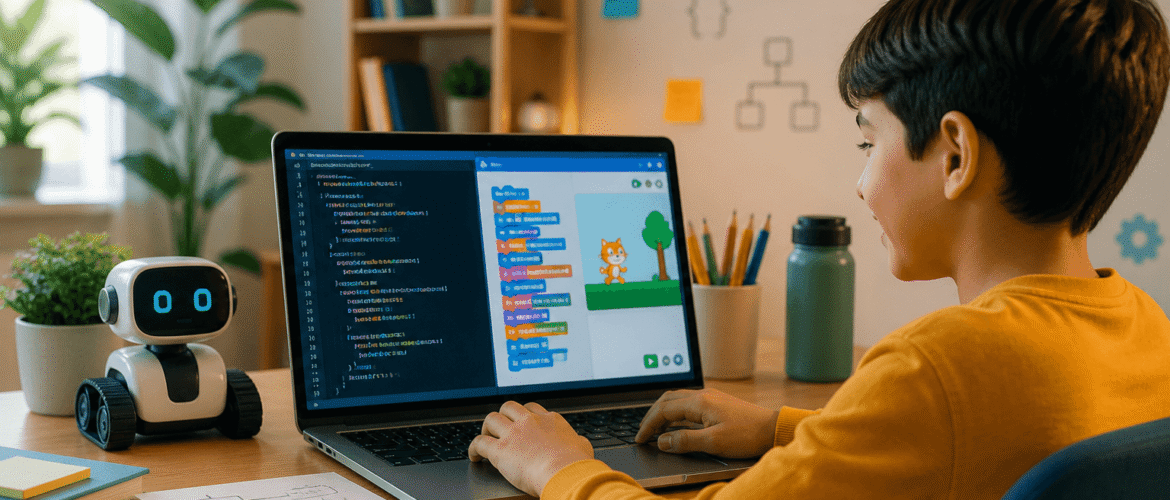
Engaging Ways to Teach Kids Coding
Coding is a vital skill in today’s digital world. It opens doors to creativity and problem-solving.
Teaching kids to code can seem daunting. But it doesn’t have to be.
With the right approach, coding can be fun and engaging. Kids can learn while playing and exploring.
There are many ways to introduce coding to children. From visual programming to hands-on robotics, the options are vast.
Parents and educators play a crucial role. They can guide kids through the coding journey.
The benefits of coding go beyond the screen. It enhances logical thinking and boosts confidence.
Kids can create their own games and apps. This fosters a sense of achievement and pride.
In this guide, we’ll explore engaging ways to teach kids coding. Let’s dive in!
Why Teach Kids Coding? The Benefits for Young Minds
Coding is more than just writing lines of code. It’s a way to think, solve problems, and innovate.
When kids learn to code, they unlock new forms of expression. It’s like giving them a digital canvas.
Understanding coding enhances cognitive skills. Kids learn to break down complex problems into smaller, manageable parts.
Benefits of Teaching Kids Coding:
- Develops analytical and critical thinking
- Enhances creativity and imagination
- Builds perseverance and resilience
- Improves attention to detail and focus
- Prepares them for future careers
Coding fosters a growth mindset. Kids learn that mistakes are part of learning and experimenting.
Through coding, children gain a better understanding of technology. They learn how it operates and shapes our world.
Moreover, coding introduces kids to new career paths. It opens doors in tech and beyond.
By teaching kids coding, we’re empowering the next generation. They will not just consume technology, but also create it.
Getting Started: How to Introduce Coding to Kids
Introducing coding to children can be an exciting adventure. Start by sparking their interest in technology.
Create a stimulating learning environment. Display inspirational coding posters or videos showcasing simple programming projects.
Consider starting with visual programming languages. Tools like Scratch provide an easy entry point for young coders.
Steps to Introduce Coding:
- Begin with a simple, fun project
- Use age-appropriate coding tools
- Relate coding concepts to their interests
- Allow them to explore at their own pace
Integrate coding with their hobbies. If they love games, show how coding is used to create their favorites.
Set up a playful session, turning coding into a game itself. Friendly competitions can boost engagement and enthusiasm.
Encourage curiosity by letting them ask questions. Kids learn more when they’re actively involved in the process.
Celebrate their successes, no matter how small. Positive reinforcement is crucial in building confidence and motivation.
With the right approach, introducing coding becomes an enjoyable learning journey. This fosters lifelong skills and habits.
Choosing the Right Tools and Platforms for Kids
Selecting the right coding tools is crucial for a positive start. Different age groups require different approaches and interfaces.
For beginners, visual platforms like Scratch and Blockly are excellent. They use drag-and-drop interfaces that simplify coding concepts.
For mobile learning, apps like Hopscotch and Lightbot are ideal. These apps transform coding challenges into fun, interactive experiences.
As children advance, consider introducing text-based languages. Python is a popular choice for older kids, offering deeper coding insights.
Top Tools and Platforms:
- Scratch: Visual programming for beginners
- Hopscotch: Mobile-friendly app for creative coding
- Lightbot: Puzzle-based coding challenges
- Blockly: Drag-and-drop coding environment
- Python: Text-based language for intermediate learners

by Aedrian Salazar (https://unsplash.com/@aedrian)
Encouraging exploration across platforms can enhance adaptability. Each tool offers unique challenges and learning styles.
Consider their interests when choosing platforms. A child interested in games might appreciate Tynker’s game-centric projects.

by Caesar Akbar (https://unsplash.com/@caesarakbr)
Remember, the best tool is one that aligns with the child’s pace and interest. Providing a variety of options can increase engagement.
Support your child’s journey with these tools. They lay the groundwork for advanced programming skills and future opportunities.
Fun and Interactive Methods to Teach Coding
Teaching coding through fun, interactive ways keeps kids engaged. Games and interactive lessons make learning feel like playtime.
Platforms like Code.org offer gamified lessons. They transform coding into exciting challenges that captivate young minds.
by stem.T4L (https://unsplash.com/@stem_t4l)
Using story-based coding projects can ignite interest. Storytelling allows kids to see coding’s narrative potential.
Examples of Interactive Tools:
- Code.org: Offers engaging gamified lessons
- Tynker: Provides story-based projects for beginners
- LEGO Mindstorms: Combines robotics with coding fun
Robotics kits like LEGO Mindstorms offer hands-on experiences. They blend physical building with programming to create engaging challenges.
Creating personal projects helps spark creativity. Encourage kids to develop their own games or apps, which enhances problem-solving skills.

by Markus Spiske (https://unsplash.com/@markusspiske)
Ways to Make Coding Fun:
- Incorporate coding into storytelling
- Use game-based challenges for learning
- Develop personalized projects for applied skills
Participating in coding contests or challenges can also be motivating. Competitions provide goals that push kids to apply their knowledge.
Finally, make coding a collaborative experience. Invite friends or family members to join projects, promoting teamwork and communication.
Exposing children to diverse coding experiences fosters curiosity. Over time, this builds strong, versatile coding skills.
These methods make coding enjoyable, transforming complex concepts into accessible and fun activities for kids.
Coding Without Screens: Unplugged Activities
Learning coding doesn’t always require screens. Unplugged activities offer an innovative approach to teaching coding basics.
Hands-on activities can help solidify foundational concepts. These exercises focus on problem-solving and logical thinking.
by stem.T4L (https://unsplash.com/@stem_t4l)
Popular Unplugged Activities:
- Binary Bracelets: Teach binary code using colored beads
- Sorting Games: Practice algorithms with card sorting
- Maze Challenges: Use path-finding for understanding sequences
These activities help kids visualize coding concepts. They use everyday items, making them accessible to anyone.
Incorporating physical interaction keeps things lively. Such activities also reinforce teamwork and collaboration skills.
These screen-free methods encourage active participation. Kids learn coding fundamentals, like loops and conditions, in intuitive ways.
By working offline, children engage with coding’s logical structure. This approach helps demystify technology, making it relatable.
Unplugged activities cultivate an interest in coding. They show that coding isn’t limited to computers but is part of problem-solving in life.
These activities provide a refreshing break from screens, while still nurturing essential programming skills.
Encouraging Creativity: Storytelling, Art, and Games
Creativity can significantly enhance a child’s coding journey. Integrating storytelling, art, and games into programming makes learning captivating.
Storytelling and coding share common ground. When kids code interactive stories, they learn sequencing and logic smoothly.

by Annie Spratt (https://unsplash.com/@anniespratt)
Art adds a vibrant dimension to coding projects. Whether designing graphics or animations, kids express creativity while learning coding skills.
Creative Coding Ideas:
- Story-Based Games: Create adventures where kids decide the path
- Digital Art Projects: Use code to generate intricate patterns
- Music Programming: Compose tunes through coding
Games offer an engaging platform for kids to flex their imagination. Developing their own games teaches important programming concepts naturally.
These creative endeavors also boost a sense of accomplishment. Kids see their ideas come to life, fueling their passion for coding.
Moreover, this approach nurtures a diverse range of skills. It develops their ability to think outside the box, a vital skill in today’s world.
Encouraging creativity in coding keeps learning dynamic and fun. It shows kids that coding is a tool for bringing imagination to life.
Collaborative Learning: Coding Clubs and Group Projects
Coding is a skill best shared and explored together. Collaborative learning provides kids with a fun and supportive environment for growth.
Coding clubs are excellent venues for kids to learn together. These clubs offer a space to share ideas, solve problems, and inspire one another.
Group projects allow kids to tackle more complex tasks. Working in teams helps them develop essential communication and teamwork skills.
Benefits of Collaborative Learning:
- Enhanced Social Skills: Interact and collaborate with peers
- Diverse Perspectives: Learn from different viewpoints
- Shared Resources: Access a variety of tools and ideas
Coding clubs often include peer-led workshops, contests, and more. They encourage creativity and problem-solving in a hands-on way.
Participating in group coding activities boosts confidence. Kids see their contributions valued, building their self-esteem and resilience.
Moreover, collaborative learning helps cultivate a community spirit. It creates a sense of belonging and commitment among young coders.
These experiences prepare kids for future work environments. They learn to appreciate others’ strengths while honing their coding skills.
Overcoming Challenges: Keeping Kids Motivated and Resilient
Teaching kids coding is rewarding, but it comes with its challenges. Ensuring kids stay motivated requires creativity and persistence.
Children may face frustration when they encounter difficult coding tasks. It’s essential to teach them that struggling is part of learning. Encourage them to view mistakes as opportunities to grow.
Setting achievable goals can help maintain their interest. Celebrate small victories to boost their confidence and enthusiasm.
Strategies to Keep Kids Engaged:
- Positive Reinforcement: Praise efforts and achievements
- Interactive Learning: Use games and challenges
- Adapt to Interests: Customize projects to fit personal interests
Boring routines might cause kids to lose interest. Make coding sessions lively by incorporating different learning styles.
Encouraging a growth mindset is vital. Teach kids that effort leads to improvement and success.
Provide guidance and constructive feedback to help them progress. This approach fosters resilience and encourages continued learning.
By focusing on these strategies, you can inspire and motivate children. They will build a strong foundation for their future coding endeavors.
Resources for Parents and Educators
Finding the right resources can make coding education smoother for both kids and adults. Parents and educators need tools and information to support children effectively.
Online platforms offer a plethora of coding classes designed specifically for kids. These resources are often interactive, making learning enjoyable and engaging. Explore various options and choose what aligns with your child’s interests and pace.
In addition to online tools, there are many books and workshops available. These can offer step-by-step guides and creative ideas to keep children interested.
Recommended Resources:
- Code.org: Free courses for young programmers
- Scratch: Visual programming for creativity
- Tynker: Fun games and tutorials
Community support is also invaluable. Joining parent groups or educator forums can provide inspiration and advice. Sharing experiences with others can help navigate any challenges that arise.
By utilizing diverse resources, parents and educators can foster a supportive environment. This not only enhances coding education but also builds a child’s confidence and skills.
Next Steps: Growing with Coding and Beyond
Once kids have a foundation, it’s important to keep their coding journey evolving. This involves expanding their skills and exploring new challenges.
Encourage them to experiment with different programming languages. As they grow, kids may develop an interest in languages like Python or JavaScript. These can open up new possibilities and applications for their projects.
Growth Opportunities to Consider:
- Explore New Languages: Try languages like Python or JavaScript.
- Join Hackathons: Participate in coding marathons to test skills.
- Build a Portfolio: Showcase projects to track progress and achievements.
Encourage participation in community events such as coding competitions and hackathons. These experiences can enhance their skills and introduce them to a wider network.
By setting personal goals, kids can stay motivated and focused. Whether it’s creating a complex app or contributing to an open-source project, the possibilities are endless. Each step forward in coding enhances a child’s problem-solving ability and opens up career opportunities in the future.