
Blog
How to improve handwriting for kids
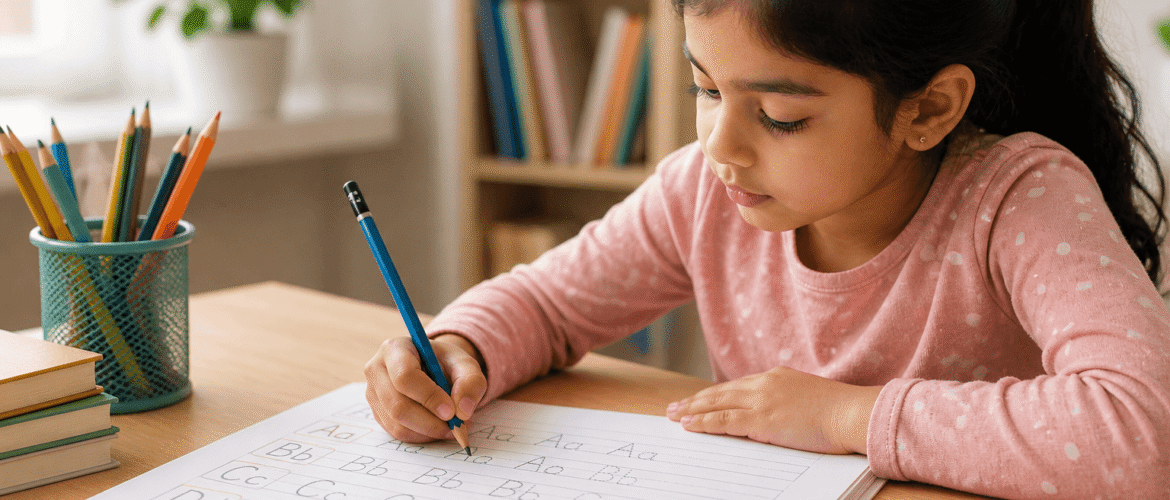
Handwriting is a vital skill for children. It affects their academic success and self-esteem. Yet, many kids struggle with it.
Parents and teachers often wonder how to improve handwriting for kids. The answer lies in practice and patience.
Fine motor skills play a crucial role in handwriting. Developing these skills can make a big difference.
Proper pencil grip and posture are also essential. They help children write more comfortably and effectively.
Creating a supportive environment is key. This includes using the right tools and setting realistic goals.
Fun activities can make handwriting practice enjoyable. Games and creative exercises keep kids engaged.
Technology offers new ways to practice writing. Apps and online resources provide interactive learning experiences.
With the right strategies, children can improve their handwriting. This guide will show you how.
Why Good Handwriting Matters for Kids
Good handwriting is more than just neat letters. It plays a pivotal role in a child’s education. Clear handwriting can improve grades, especially in written exams.
Children with neat handwriting tend to finish their assignments faster. They spend less time erasing and rewriting. This efficiency benefits them in the long run.
Handwriting impacts confidence. Kids with messy writing may feel embarrassed. This can affect their willingness to participate in class activities.
Poor handwriting can be frustrating. It may lead to misunderstandings if teachers can’t read students’ work. This situation might hinder communication between students and teachers.
There are several reasons why handwriting is important:
- Enhances reading and spelling skills
- Promotes better memory retention
- Improves focus and concentration
Furthermore, handwriting is a lifelong skill. Even in the digital age, we often need to write by hand. Good handwriting habits developed early can last a lifetime.
By understanding why it matters, parents and teachers can better support children in their writing journey. Helping kids develop this skill sets them up for future success.
Understanding the Basics: Fine Motor Skills and Handwriting
Handwriting starts with fine motor skills. These are small muscle movements in the hands and fingers. Developing these skills is crucial for children.
Fine motor skills help in everyday tasks. Activities like buttoning shirts or tying shoelaces also depend on them. Handwriting requires precise muscle control too.
Children naturally develop these skills at their own pace. However, encouraging certain activities can accelerate this growth. With practice, kids can improve their grip and control.
Parents and teachers can assist through engaging exercises. Simple games and crafts can make a difference. Introducing these activities fosters development in a fun way.
Consider incorporating the following activities:
- Playing with clay or dough
- Stringing beads or pasta
- Using scissors for cutting paper shapes
In addition to fun activities, structured exercises can bolster progress. Tracing shapes and letters builds muscle memory. It also enhances dexterity, which is vital for neat handwriting.
Encourage your child to practice regularly. This consistency will lead to noticeable improvements over time. Provide constant support and celebrate their successes, no matter how small. Consistent encouragement can boost confidence and motivation.
Assessing Your Child’s Handwriting: What to Look For
Evaluating your child’s handwriting provides insight into their progress. Begin by examining legibility. Can you easily read what they’ve written?
Next, assess letter size and spacing. Consistent letter height and uniform spacing are signs of strong handwriting skills. If spacing varies widely, there might be room for improvement.
Consider their pencil grip and posture too. A firm grip and straight posture often result in better writing. You may need to guide them if they’re struggling with these aspects.
When assessing their handwriting, look for:
- Consistent letter size and shape
- Even spacing between words
- Proper alignment on the lines
Remember, improvements take time. It’s essential to approach this process with patience. Encourage your child by highlighting their strengths before addressing areas to improve. This approach fosters a positive attitude toward writing practice. By focusing on these key elements, you can support your child’s journey to better handwriting.
Setting Up for Success: Tools and Environment
Creating the right setting is crucial for handwriting success. A well-organized environment encourages effective learning and practice.
Start with a comfortable, sturdy desk and chair. The furniture should be the right height to promote good posture. This helps in avoiding strain and fatigue during writing practice.
Choose the right tools for your child. Pencils with soft grips are ideal. They reduce pressure on little fingers and enhance control. Experiment with different writing instruments, like markers and crayons, to make writing more enjoyable.
Ensure adequate lighting in the area. Good lighting prevents eye strain and helps your child see their work clearly. This small detail can significantly boost handwriting quality.
Consider using useful aids:
- Lined paper to maintain consistent letter size
- Pencil grips for better hold
- A slant board to help with posture
- Alphabet charts for reference

by Kelly Sikkema (https://unsplash.com/@kellysikkema)
When setting up, remember to keep it tidy and distraction-free. A neat space allows for better concentration and more focused practice. Customize the environment according to your child’s preferences. This personalization can enhance their interest in writing activities. By carefully considering tools and environment, you’ll create a supportive space for handwriting development.
Teaching Proper Pencil Grip and Posture
Teaching children the proper way to hold a pencil is vital. A correct grip promotes control and reduces hand fatigue.
Begin by demonstrating the tripod grip. The thumb, index, and middle fingers should form the tripod shape around the pencil. This grip offers stability and precision, essential for neat handwriting.
It’s important for children to start with shorter pencils or chunky crayons. These tools naturally encourage the tripod grip, making the learning process smoother.
Posture is equally important in handwriting. Encourage your child to sit up straight with their feet flat on the floor. The back should be supported, and the writing arm should rest comfortably on the table.
An ideal writing position includes:
- A relaxed wrist and fingers
- Shoulders not hunched
- Paper tilted slightly for a right-handed child
- Desk at a height allowing for bent elbows
Proper posture reduces strain and supports longer writing sessions without discomfort. Model the posture yourself to give your child a clear example. Use reminders like “chest up” and “relax shoulders” to reinforce good habits.

by Shalev Cohen (https://unsplash.com/@shalevcohen)
Incorporate fun activities to practice grip and posture. Use games that involve picking up small objects with the fingers. This exercise builds strength and dexterity needed for writing. Creating consistent habits early ensures children have a strong foundation for writing effectively.
Letter Formation: Breaking Down the Process
Mastering letter formation is crucial for improving handwriting in kids. Start by introducing each letter as a series of simple strokes.
Begin with uppercase letters as they often consist of straight lines and are easier to grasp. Guide your child in connecting horizontal, vertical, and diagonal lines.
Use visual aids like stroke charts. These can illustrate each step in forming a letter. Make sure to display them at your child’s eye level for easy reference.
Focus on one letter at a time. Encourage your child to trace over dotted lines before attempting freehand writing. This helps build muscle memory, a key part of writing practice.
Incorporate multisensory activities to make letter formation engaging. Try using sand trays or finger painting for tactile practice.
Consider these breakdown steps for effective letter formation:
- Recognize the letter shape
- Break it into basic strokes
- Trace over the letter
- Practice freehand writing
As your child progresses, introduce lowercase letters. These often involve curves and loops, offering a new challenge. Provide consistent feedback, focusing on the positives to build confidence.

by Peyman Shojaei (https://unsplash.com/@withpeyman)
Remember to reinforce learning with patience and encouragement. Over time, these structured practices can transform scribbles into legible handwriting. Adjust the pace to your child’s comfort, ensuring a fun and rewarding experience.
Fun Handwriting Activities and Games
Making handwriting practice fun encourages kids to engage more deeply. Integrate playful activities into learning sessions to keep their interest.
One engaging activity is “Alphabet Tracing in the Sand.” Fill a shallow tray with sand or salt. Let your child trace letters using a finger or a small stick.
For kids who love technology, drawing apps can be a captivating way to practice. Choose apps that focus on tracing letters and offer interactive feedback.
Playing “Connect the Dots” involves drawing lines between dots to form letters or images. This improves letter recognition and fine motor skills.
List of fun handwriting activities:
- Write letters with chalk on sidewalks
- Use finger paints for colorful tracing
- Create letters with playdough

by Joyce Panda (https://unsplash.com/@pandajoyce)
Introduce games that combine learning with competition. “Flashcard Frenzy” involves holding up flashcards and having children write the letter quickly.
Storywriting games encourage both creativity and writing practice. Have children write a story one word at a time, passing the paper around.
List of handwriting games:
- Alphabet matching games
- Board games with letter tiles
- Word hunts with written clues

by Dillon Groves (https://unsplash.com/@_dillongroves)
Fun activities make practice less of a chore. They encourage creativity and develop writing skills in diverse ways. Experiment with different activities to see what captures your child’s imagination. As they associate writing with joy, their motivation and skills improve steadily.
Writing Practice: Building a Consistent Routine
Consistency is crucial in developing strong handwriting skills. Implement a routine that allows for regular and varied writing practice.
Start with short sessions to maintain attention and prevent fatigue. Five to ten minutes daily can make a significant impact over time.
Create a dedicated writing space to help your child focus. A quiet area with minimal distractions is ideal for concentration.
Integrate writing into daily activities. Encourage your child to write grocery lists or notes to family members. This real-world practice enhances their skills.

by Carl Jorgensen (https://unsplash.com/@scamartist)
Regular handwriting sessions should include diverse activities. Mixing up exercises keeps practice engaging and tackles different skill areas.
List of diverse writing activities:
- Journaling about daily events
- Copying sentences from books
- Writing a weekly letter to a friend
Tracking progress fosters motivation. Celebrate small victories and improvements to encourage your child.
Remember, patience is key. Every child progresses at their own pace. Consistent practice will yield positive results over time. Even small improvements can boost confidence and interest in writing. By embedding writing in everyday activities, you create more natural learning opportunities. This approach nurtures a child’s interest and skill development concurrently. Over time, you’ll notice not only improved skills but also increased enthusiasm for handwriting tasks.
Using Technology and Apps for Handwriting Improvement
In today’s digital world, technology offers innovative ways to enhance handwriting skills. Several apps are designed specifically to make handwriting practice engaging for kids.
These apps often include interactive games and activities. Children can trace letters and shapes on a screen, mimicking traditional paper exercises but in a fun, digital format.
The use of technology can be a great motivator for tech-savvy kids. It provides instant feedback and tracks progress, which is appealing to young learners. Many apps also adapt to the child’s skill level, offering customized challenges.
When selecting an app, consider those that balance technology use with traditional handwriting methods. Look for features that promote comprehensive skill development beyond mere tracing.
Notable features to look for include:
- Real-time feedback
- Interactive tracing activities
- Gradually increasing difficulty levels
Combining technology with hands-on practice can keep children interested and promote faster learning. However, it’s important to monitor screen time and ensure that digital practice complements, rather than replaces, physical writing. Establishing a balance between screen-based and traditional writing exercises will ensure that both fine motor skills and handwriting abilities develop effectively.
Encouraging Creativity: Journals, Stories, and Letters
Encouraging children to express their thoughts through writing can significantly improve their handwriting skills. Journaling allows kids to write freely, providing a relaxed way to practice writing daily. It’s also an excellent method for fostering self-expression.
Writing stories can be both educational and entertaining. Children can create their own narratives, which helps them practice sentence structure and organize their thoughts. This regular writing practice reinforces their grasp of language and improves their handwriting fluency.

by Sincerely Media (https://unsplash.com/@sincerelymedia)
Letters offer another creative writing outlet. Encourage your child to write letters to family members or friends. This activity not only enhances handwriting but also strengthens communication skills and builds emotional connections.
Here are some tips to encourage creative writing:
- Provide a special notebook or journal
- Prompt them with story starters or topics
- Share and discuss their writing to boost confidence
When children see writing as a fun activity rather than a chore, they develop a more positive attitude towards improving their handwriting. Through creative writing projects, they learn to enjoy the process, leading to improvement in both handwriting and overall writing abilities.
Overcoming Common Handwriting Challenges
Children often face various challenges when learning to write. Common issues include messy writing, inconsistent sizing, and poor spacing. These challenges can affect both the appearance and legibility of handwriting.
Identifying the specific problems is the first step in addressing them. Observing your child’s writing can reveal areas that need improvement. Once you know the issues, you can implement targeted strategies.

by Mariana Rascão (https://unsplash.com/@marianarascao)
To overcome these challenges, consider the following tips:
- Use lined paper to guide letter size and spacing
- Encourage slow, deliberate writing to improve control
- Practice drawing vertical and horizontal lines to refine movements
Different children have different handwriting challenges, requiring patience and tailored solutions. Providing consistent feedback and positive reinforcement helps build confidence and motivate improvement.
Remember, improving handwriting takes time. Encourage your child to keep practicing and celebrate small successes. With dedication and the right techniques, children can overcome handwriting obstacles and write more clearly and confidently.
When to Seek Extra Help: Occupational Therapy and Support
Sometimes, children need more support to improve their handwriting skills. When progress is slow, and efforts seem ineffective, it might be time to seek extra help. Occupational therapy can be a valuable resource in these situations.
Therapists specialize in helping children with fine motor skills, crucial for handwriting success. They provide personalized strategies to address specific difficulties in writing. Parents and teachers should observe for persistent handwriting challenges despite regular practice.
Here are signs that extra support might be needed:
- Difficulty holding a pencil correctly
- Struggling with letter formation
- Persistent frustration or avoidance during writing tasks
Consulting with a professional can help in crafting a targeted intervention plan. By receiving specialized guidance, children can overcome hurdles and enhance their handwriting abilities significantly. Working with an occupational therapist ensures that children receive the necessary tools and support.
Tracking Progress and Celebrating Success
Monitoring your child’s handwriting improvement is essential. Set achievable goals to help children see their progress over time. Regularly review their work to identify areas of improvement and celebrate achievements.
Creating a visual progress chart can motivate children and make progress tangible. Mark milestones and use stickers or drawings to illustrate their journey. This visual aid can boost confidence and encourage continued effort.
Celebrating successes, no matter how small, reinforces positive behavior. Consider these celebration ideas:
- Offering praise and encouragement
- Organizing a small reward system
- Displaying their best work at home
Tracking progress helps children understand their growth. Celebrating each step encourages a positive attitude towards improvement. This approach not only enhances handwriting skills but also builds self-esteem and determination.
Frequently Asked Questions About Handwriting for Kids
Parents and teachers often wonder how long handwriting improvement takes. It varies for each child, but with regular practice, improvement can be seen in weeks. Consistency is key to developing and refining skills.
Another common question is how much time should be spent on practice. Short, daily sessions of 15-20 minutes are more effective than longer, infrequent ones. This approach maintains interest and prevents fatigue.
Here are answers to frequently asked questions:
- What age should children begin handwriting practice? Typically, children start around age four or five.
- Can technology negatively affect handwriting skills? Excessive screen time can, but it can also offer useful learning tools.
- Is handwriting linked to academic performance? Yes, good handwriting aids in legibility and academic success.
Handwriting is a skill that grows with time and patience. Understanding these points can help guide your approach.
Conclusion: Helping Kids Develop Lifelong Writing Skills
Handwriting is more than just an academic skill; it’s a lifelong tool. Children who master handwriting gain confidence and improved learning abilities. This foundation supports their entire educational journey.
Building good handwriting habits requires time, patience, and encouraging practice. By providing the right tools and support, you can help children improve and succeed. Celebrate small victories to motivate continued progress.
Remember, every child develops at their unique pace. Focus on encouraging growth, not perfection. With dedication and the right strategies, kids can develop handwriting skills that will benefit them for years to come.