
Blog
Difference Between Montessori and Nursery: Key Insights
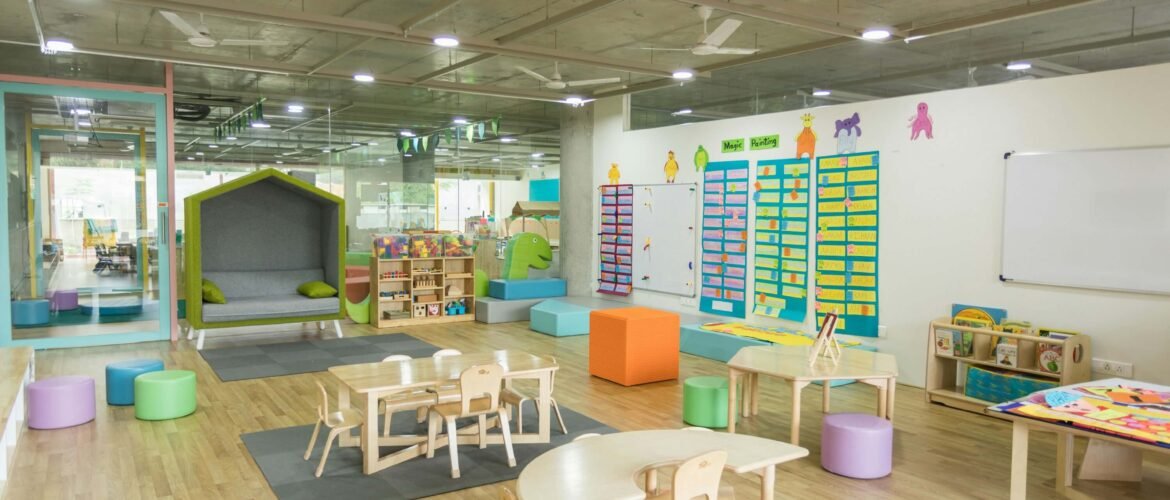
Understanding Montessori vs. Nursery Education Approaches
Choosing the right early education approach for your child is crucial. Montessori and nursery schools offer distinct methods. Each has unique benefits and philosophies.
Montessori education emphasizes self-directed learning. It encourages children to explore at their own pace. This approach fosters independence and critical thinking.
Nursery schools, on the other hand, often follow a structured curriculum. They focus on socialization and foundational skills. This prepares children for formal schooling.
Understanding the differences between these approaches can help parents make informed decisions. It’s important to consider your child’s needs and learning style.
In this article, we will explore the key differences between Montessori and nursery education. We’ll look at teacher training, classroom environments, and their impact on child development.
What Is Montessori Education?
Montessori education, founded by Dr. Maria Montessori, focuses on child-centered learning. It promotes curiosity and self-motivation through a prepared environment. This method encourages children to choose activities they are passionate about.
Montessori classrooms are mixed-age, enhancing peer learning and social skills. Teachers guide rather than instruct, fostering a supportive atmosphere. This approach emphasizes respect for a child’s individuality and natural development.
Key features of Montessori education include:
- Self-paced learning
- Sensory-based materials
- Independence and exploration
- Mixed-age groups
- Child choice in activities
Montessori materials are specifically crafted to support hands-on learning. These tools are designed to be engaging and educational, reinforcing critical thinking. The environment is calm and orderly, promoting deep concentration and long-term engagement in tasks. This holistic method nurtures a child’s academic, social, and emotional growth.

What Is Nursery Education?
Nursery education provides a structured setting for young children. It often follows a predefined curriculum focused on socialization and foundational skills. Children in nursery schools learn in age-specific groups, which aids in uniform progress.
Teachers in nursery schools lead the learning experience. This traditional approach includes set periods for various activities. Nurseries emphasize a more rigid schedule to prepare kids for formal schooling.
Key aspects of nursery education involve:
- Teacher-directed activities
- Structured routine
- Age-specific classes
- Social and foundational skill focus
- Transition to formal schooling
Classrooms in nursery schools have designated play and learning areas, allowing children to explore different subjects. Educational toys and resources offer diverse experiences and skills. The environment tends to be lively, encouraging interaction and active participation among peers.

Key Differences Between Montessori and Nursery Schools
Montessori and nursery schools differ in their educational philosophies. Montessori focuses on individualized, child-led learning. In contrast, nursery schools emphasize a structured curriculum.
A key distinction is the classroom setting. Montessori classrooms feature mixed-age groups. This approach fosters peer learning and collaboration. Nursery schools, however, group children by age, promoting age-specific development.
Montessori education uses specialized materials for sensory-based exploration. This encourages independence and problem-solving. Nursery schools utilize a range of educational toys. They emphasize foundational skills and academic readiness.
Montessori Schools:
- Mixed-age classrooms
- Child-led activities
- Sensory-based materials
- Independence and self-direction
- Long work periods
Nursery Schools:
- Age-specific groups
- Teacher-directed instruction
- Variety of educational resources
- Structured social interaction
- Set activity times
The role of the teacher also differs between the two. In Montessori schools, educators act as guides, supporting children’s individual learning paths. Nursery teachers often lead classroom activities and direct learning experiences, creating a more uniform educational journey.
Parents must consider these differences when choosing between Montessori and nursery education. Each approach offers unique benefits. The decision depends on the child’s needs and family preferences.

by Rewired Digital (https://unsplash.com/@rewired41)
Teacher Training: Montessori vs. Nursery
Teacher training distinguishes Montessori from nursery schools significantly. Montessori training is extensive and specialized, requiring a deep understanding of child development and the Montessori method’s philosophy. Teachers learn to facilitate a child’s natural learning processes. This training fosters an ability to create environments that respect individual pace and choice.
Nursery teacher training, in contrast, follows a broader curriculum. It covers general early childhood education principles. Nursery teachers gain skills to guide group activities and implement structured learning plans. The focus is on nurturing foundational skills and preparing children for formal schooling.
Key Training Differences:
- Montessori training emphasizes individualized learning and guidance
- Nursery training covers structured lesson planning
- Montessori teachers learn sensory-based material use
- Nursery training focuses on group management skills
The contrast in training contributes to differing classroom approaches. Montessori educators aim to guide and observe, while nursery teachers tend to lead and instruct. This influences how children experience and engage with their learning environments.
Classroom Environment and Learning Materials
The classroom environment in Montessori schools is crafted to inspire discovery and independence. These spaces are orderly and aesthetically pleasing, with child-sized furniture. The layout promotes freedom of movement, allowing children to choose activities independently.
Montessori learning materials are distinctive. They support sensory exploration and practical life skills. Each tool has a specific purpose, enabling hands-on learning. Materials are made from natural substances and are often self-corrective, fostering self-directed problem-solving.
Conversely, nursery classrooms lean towards a structured setup. Areas are designated for play, learning, and rest. The educational toys and resources in nursery settings aim to enhance social interactions and basic academic skills through guided activities.
Key Elements in Each Environment:
- Montessori:
- Child-sized furniture
- Natural, sensory materials
- Nursery:
- Designated activity areas
- Diverse educational toys
Impact on Child Development
Montessori education places a strong emphasis on holistic development. It supports a child’s emotional, social, and intellectual growth through self-paced learning. This approach aims to nurture intrinsic motivation and a deep love for learning.
In contrast, nursery education often focuses on foundational skills. These include social skills, basic academic readiness, and cognitive development. The environment in nursery schools promotes social interactions and structured learning.
Both approaches influence child development positively, albeit differently. Montessori encourages independence, fostering problem-solving skills. Meanwhile, nursery schools prepare children for the next educational stage through structured routines and teacher-guided activities.
Developmental Focus in Each System:
- Montessori:
- Intrinsic motivation
- Independence and problem-solving
- Nursery:
- Social interaction
- Structured academic readiness
Which Approach Is Right for Your Child?
Deciding between Montessori and nursery education depends on your child’s needs. It’s important to consider their learning style, personality, and interests. Each approach offers unique benefits that cater to different aspects of child development.
Montessori education might be ideal for children who thrive in self-directed environments. Those who enjoy exploring at their own pace may find Montessori classrooms more engaging. This approach nurtures independence, critical thinking, and creative expression.
On the other hand, if your child benefits from structured routines and teacher guidance, nursery education could be a better fit. Nursery schools focus on social skills and academic foundations, which are crucial for transitioning to formal schooling.
Consider the Following:
- Montessori:
- Self-directed learning
- Independence and creativity
- Nursery:
- Structured routines
- Teacher-guided activities