
Blog
Top Programming Languages for Kids to Learn
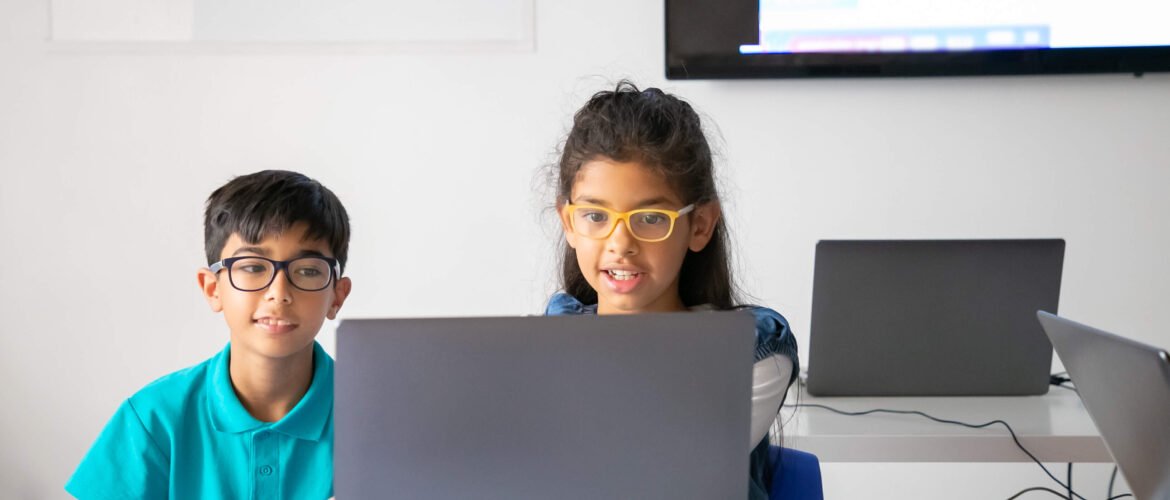
Top Programming Languages for Kids to Learn
Programming is a valuable skill for kids today. It fosters problem-solving and logical thinking.
Choosing the best programming language for kids can be challenging. There are many options available.
Some languages are visual, making them ideal for beginners. Others are text-based, offering more depth.
This guide will help you navigate these choices. We’ll explore the best programming languages for kids to learn.
You’ll discover languages like Scratch, Python, and JavaScript. Each has unique benefits and learning experiences.
Let’s dive into the world of kids coding and find the perfect fit for your child.
Why Kids Should Learn Programming
Learning programming offers kids numerous benefits. It enhances critical thinking and boosts creativity.
Programming skills are in high demand. They open doors to future careers in technology fields.
Coding promotes perseverance and problem-solving skills. Kids learn to tackle challenges methodically.
Tech-savviness is another advantage. Kids become more adaptable to rapid technological changes.
Here are some reasons why kids should learn programming:
- Encourages logical and analytical thinking.
- Improves math skills and attention to detail.
- Fosters creativity and innovation in projects.

Incorporating coding into their education enhances STEM learning. It also makes other subjects more engaging.
What Makes a Programming Language Kid-Friendly?
A kid-friendly programming language should be engaging and easy to understand. Visual cues and intuitive interfaces help children learn more effectively.
These languages must also foster creativity. They should allow kids to experiment and innovate without frustration.
Key features of kid-friendly programming languages include:
- Simple syntax that is easy to grasp.
- Interactive elements that make learning fun.
- Supportive resources like tutorials and guides.
Choosing the right language can make all the difference. This choice empowers kids to enjoy programming while learning valuable skills.
Visual Programming Languages: The Best Starting Point
Visual programming languages offer a perfect introduction for kids. They use block-based structures which simplify coding concepts. This approach prevents children from getting bogged down by complex syntax.
With these languages, kids can focus on logic and problem-solving. They allow kids to see the immediate results of their work, making learning satisfying and fun.
Two popular visual languages for kids are Scratch and Blockly. Both platforms use a drag-and-drop method that is intuitive for young minds.
Benefits of visual programming languages include:
- Immediate visual feedback.
- Encourages experimentation and creativity.
- Fun, colorful interface that keeps kids engaged.
Incorporating visual programming in early education can spark a lifelong love for coding. It’s an excellent way to build a strong foundation.

Scratch
Scratch is a top choice for introducing kids to coding. Developed by MIT, it’s designed with children in mind. Scratch’s colorful blocks make programming seem like a fun puzzle.
Children use Scratch to create games, animations, and stories. They can share their creations online with the Scratch community. This sharing aspect encourages collaboration and inspiration among young coders.
Key features of Scratch include:
- Easy-to-use block interface.
- Extensive library of tutorials.
- A vibrant online community.
Blockly
Blockly is another fantastic visual programming tool. It utilizes a similar block-based system, enhancing logical thinking without syntax errors.
Designed by Google, Blockly targets younger learners, integrating fun with education. With its ease of use, children can develop simple applications quickly.
Important characteristics of Blockly include:
- User-friendly block approach.
- Integrates with other languages for advanced learning.
- Ideal for elementary and middle school students.
Alice
Alice introduces kids to 3D programming concepts seamlessly. This language allows children to construct animations and interactive narratives.
Alice excels in encouraging imagination, offering children the chance to see their stories come alive. It’s especially appealing to children interested in storytelling and animation.
Major features of Alice are:
- Drag-and-drop 3D environment.
- Focus on storytelling and animations.
- Suitable for middle and high school students.
Top Text-Based Programming Languages for Kids
As kids progress in coding, text-based programming languages become essential. They foster deeper understanding of syntax and logic. Text-based languages also open doors to more advanced projects.
Languages like Python, JavaScript, and Ruby are suitable for beginners. They provide simple syntax and a vast array of resources. Exploring these languages helps children develop essential skills for the digital world.
Key benefits of text-based programming include:
- Advanced problem-solving capabilities.
- Development of precise coding skills.
- Access to a wide range of real-world applications.
Text-based languages are perfect for expanding a child’s programming knowledge.
Python
Python is a well-loved language for children starting text-based coding. Known for its simple and readable syntax, it’s straightforward for beginners. Python encourages clean code and logical problem solving.
Children can use Python in creating games and simple applications. It also provides an extensive library for diverse projects. This flexibility makes Python suitable for a wide range of coding activities.
Notable Python advantages include:
- Clear and intuitive syntax.
- Versatile libraries for various projects.
- A supportive community for learning.

by Daniel Joshua (https://unsplash.com/@daniel_joshua_)
JavaScript
JavaScript is crucial for web development and highly popular among kids. Its interactive capabilities make learning engaging and practical. JavaScript is the force behind web-based games and applications.
Kids can create dynamic websites using JavaScript. It’s excellent for those interested in web technologies and design. Learning JavaScript can set a foundation for a career in technology.
JavaScript benefits include:
- Interactive web application creation.
- Broad applications in web design and development.
- Encourages creative programming explorations.
Ruby
Ruby offers an elegant syntax that is easy to grasp for young coders. Its emphasis on simplicity makes it a prime choice for beginners. Ruby is often used in educational settings due to its user-friendly nature.
Children interested in software development will find Ruby useful. It provides a platform for coding real-world applications. As a bonus, Ruby promotes fun and creativity in coding.
Ruby’s features include:
- Simple, natural language syntax.
- Great for educational environments.
- Promotes creative programming practices.
Lua
Lua is a lightweight language ideal for game development. Its simplicity attracts young developers keen on building their own games. Used in popular platforms like Roblox, it motivates kids to learn.
Lua’s efficient design makes it versatile. Kids get satisfaction from creating games they can play. This practical use case boosts engagement and learning outcomes.
Lua offers:
- Lightweight, efficient design.
- Prominent in game development.
- Encourages hands-on learning through gaming.
Swift (and Swift Playgrounds)
Swift is designed by Apple for building iOS apps. It’s a perfect starting point for kids interested in Apple’s ecosystem. Swift Playgrounds app on iPad makes learning interactive and enjoyable.
Kids engage with fun puzzles and challenges in Swift Playgrounds. This playful approach helps them understand coding fundamentals. It’s especially good for visual learners who enjoy creativity in coding.
Key features of Swift:
- Developed by Apple for iOS development.
- Interactive learning with Swift Playgrounds.
- Engages kids through puzzles and challenges.
C++
C++ is a bit advanced but valuable for older kids. It provides a deep understanding of programming concepts. C++ is best for kids ready to tackle complex tasks.
It’s widely used in software engineering, offering robust capabilities. Kids with interest in technology careers will gain much from C++.
Benefits of C++:
- Provides in-depth programming knowledge.
- Prepares kids for advanced coding opportunities.
- Ideal for older, more experienced young programmers.
How to Choose the Best Programming Language for Your Child
Selecting the best language depends on your child’s interests and experience. Consider what excites them and start there. Language options will vary based on whether they enjoy games, apps, or web development.
Assessing your child’s learning style can guide your choice. Some kids thrive with visual learning tools, while others excel with text-based challenges. Choosing a language that aligns with their strengths encourages enthusiasm and progress.
Factors to consider include:
- Your child’s interests and passions.
- The language’s complexity and applicability.
- Available resources and community support.
Tips for Supporting Kids in Learning Programming
Encourage curiosity by exploring programming together. Learning alongside your child can spark mutual interest and create a supportive environment. Celebrate small victories to keep them motivated.
Set realistic goals and progress at a comfortable pace. Understanding that each child learns differently aids in avoiding frustration and burnout. Provide them with engaging resources.
Here are some effective ways to support your child’s programming journey:
- Encourage experimentation and creativity.
- Find online communities for collaborative learning.
- Reward progress and dedication.

by Budi Gustaman (https://unsplash.com/@warungkangabuy1970)
Best Resources and Platforms for Kids Coding
Numerous online platforms offer engaging ways for kids to learn coding. These resources make learning fun and interactive. Many of these platforms provide structured lessons.
Interactive coding games and apps can enhance a child’s experience. Platforms like Code.org and Tynker are excellent starting points. They provide a variety of coding challenges and projects.
Consider these useful resources for kids coding:
- Code.org: Offers free courses tailored for kids.
- Scratch: A platform for creating stories and games.
- Tynker: Contains puzzles and tutorials for beginners.

by David Trinks (https://unsplash.com/@dtrinksrph)
Frequently Asked Questions About Kids Coding
- What age should kids start coding?
Kids can begin coding as young as age five. Many tools are designed specifically for very young learners. - How can I support my child in coding?
Offer encouragement and explore coding together. Learn basic concepts to better support them. - Are free resources available?
Yes, many platforms like Code.org and Scratch offer free resources. Libraries often have coding kits available. - How long should kids spend coding daily?
Balance is key; even 20 minutes can be effective. - What if my child loses interest?
Explore different programming languages to find what excites them.
Conclusion: Encouraging Lifelong Learning Through Coding
Coding for kids is more than just learning technical skills. It’s about nurturing curiosity and creativity. As children dive into programming, they develop critical thinking and problem-solving abilities.
Parents and educators play a vital role in fostering this love for learning. Providing resources, support, and encouragement can make all the difference. Each milestone in coding can boost a child’s confidence.
Remember, learning programming is a journey. Celebrate the small victories and encourage exploration. Kids who learn to code can unlock doors to exciting future opportunities.